
If you are used to booking hotels and flights, a cruise can seem straightforward on the surface: cabin, dates, price. In reality, even for a short voyage there are many more moving parts:
- The style and size of ship
- The level of inclusions (drinks, excursions, Wi‑Fi, gratuities, flights, transfers)
- The pacing of the itinerary (sea days versus time in port)
- The quality and depth of shore experiences
- The cabin grade and its exact location on the ship
- Dining style and flexibility
- Dress codes and onboard atmosphere
For a high‑end or expedition cruise, these details matter even more. You are not looking for the cheapest deal; you are looking for the right fit so that every day feels effortless, comfortable and rich in experience.
1. The biggest first time cruiser mistakes
Assuming all cruise lines are basically the same
One of the most common first time cruiser mistakes is treating cruise lines as interchangeable and shopping purely on price or headline inclusions.
In reality, each brand has a very distinct personality: some feel like intimate boutique hotels, others like floating resorts, some are quietly elegant and others more informal and social. On expedition ships, some focus heavily on science and education, others on comfort and wellness with a soft‑adventure feel.
For clients who value space, calm and genuine discovery, getting this “personality match” right is more important than squeezing in an extra onboard credit offer.
Booking the wrong style of ship for your travel style
Size and style matter:
- Small and ultra‑small ships: Typically more personalised service, quieter spaces, often expedition‑style itineraries, and access to smaller ports. Ideal if you like a club‑like atmosphere and deeper exploration.
- Mid‑size ships: A balance of facilities and intimacy. Good if you enjoy choice of restaurants and entertainment but do not want a huge resort feel.
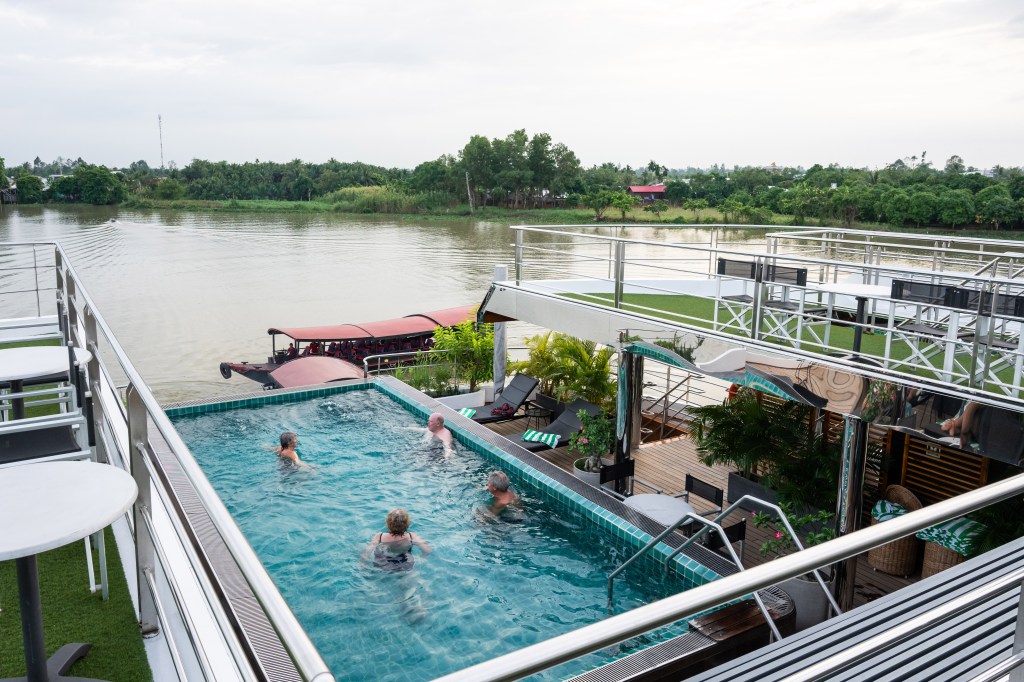
- Large resort‑style ships: Packed with activities, venues and families, often great for multigenerational trips, but can feel busy if you crave peace and quiet.
For luxury and expedition travellers, a common pitfall is accidentally booking onto a ship that is more “family holiday” than “grown‑up exploration”.
Focusing solely on the headline itinerary map
Another first time cruiser mistake is to look only at the port list on a pretty map. What really matters is:
- How many sea days versus port days
- How long you actually spend in each port (full day, half day, evening in port, overnight)
- What kind of access and excursions are typical at each stop (tender vs dock, zodiac landings on expeditions, walking distance to town)
- Whether the itinerary is seasonally appropriate for what you want to see and do
For an expedition cruise, the daily programme can change due to weather and wildlife, so flexibility and mindset are part of the experience. For a cultural itinerary, the difference between a quick photo stop and a late‑stay or overnight in port can be the difference between “ticking off” a place and truly experiencing it.
Leaving everything to the last minute
Luxury and expedition sailings, particularly those with unique routes or small ships, often reward early planners. Waiting for a “last‑minute deal” can mean:
- Limited cabin choice (sometimes only the least desirable locations are left)
- Missing out on popular expedition voyages altogether
- Higher flight prices and fewer options for regional departures or premium cabins
If you want the right cruise, rather than the cheapest cruise, planning ahead is essential.
2. Itinerary choices: how to think like an experienced cruiser
Choose by pace, not just by place
When considering what should you know when booking a cruise, one of the most important aspects is pacing. Think about:
- How much structured activity you want versus relaxed sea days
- Whether you prefer many short “tasters” of different ports, or fewer stops with more time in each
- Your energy levels and mobility: long touring days, early starts and lots of walking can be surprisingly tiring over a 10–14 night voyage
For immersive, in‑depth travel, consider itineraries with:
- Fewer, longer port calls
- Overnights or late departures that allow evenings ashore
- The chance to go inland on small‑group excursions, not just stay around the port area
Understand seasonality and conditions
For expedition and adventure sailings, conditions are everything. Sea state, daylight hours, wildlife patterns and temperatures all shift through the season. One of the key expedition cruise tips for first timers is to discuss what you most want to experience (for example, wildlife, ice, longer daylight, cultural festivals) and choose the time of year that matches those priorities, rather than just picking the cheapest date.
Think about pre‑ and post‑cruise stays
For long‑haul or complex itineraries, a carefully planned land stay before or after your sailing can elevate the entire trip. It also gives breathing space in case of flight delays and jet lag. For clients who are more flexible with their time, they will find that adding a few nights in a gateway city, wine region or national park turns a great cruise into a truly tailor‑made journey that will be remembered for a long time.
3. Choosing the right cabin: more than just a bed
One of the most overlooked areas, and a major source of first time cruiser mistakes, is cabin selection. The right accommodation can transform your cruise; the wrong one can undermine it.
Inside, outside, balcony or suite?
For a luxury or expedition voyage, your cabin is your private retreat. Ask yourself:
- Will you genuinely use a balcony: morning coffee, private wildlife spotting, quiet reading time?
- Do you prefer more living space, a separate seating area or a walk‑in wardrobe?
- How sensitive are you to noise or motion?
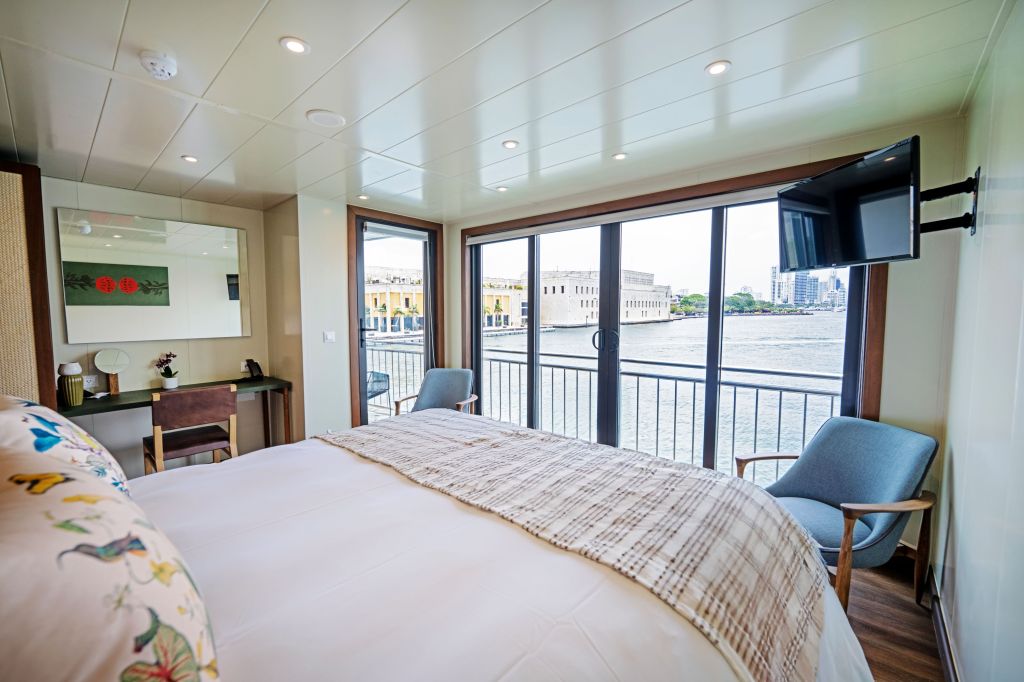
For many experience‑driven travellers, a balcony or suite makes a real difference to how they enjoy the journey, especially in scenic regions where you can watch the world glide by in privacy. However, not all balconies are equal: size, design and privacy vary widely between ships.
The importance of cabin location
When people ask how to choose a cruise cabin or best cabin location on a cruise ship, they are often surprised how nuanced the advice can be. Consider:
- Deck height: Mid‑level decks usually offer a balance of stability and views. Very low decks can feel more enclosed; very high decks can experience more motion.
- Forward, midship or aft: Midship cabins typically experience less motion. Aft cabins can have beautiful wake views, but sometimes more vibration. Forward cabins can feel more movement, particularly in rougher seas.
- Proximity to public areas: Being near lifts and lounges is convenient, but can come with more foot traffic and late‑night noise. Cabins directly under or above a busy bar, pool deck or theatre can be noisier at certain times.
On an expedition ship, you may prefer to be close to the mudroom, zodiac boarding areas or observation lounge for convenience on busy landing days.
Common cruise cabin mistakes to avoid
- Booking purely on price, then discovering the cabin is under a nightclub or over the theatre
- Choosing a guarantee cabin grade without understanding the range of possible locations
- Not checking bed configuration, bathroom style or accessibility needs in advance
- Assuming all balcony cabins are identical within the same grade
Working with a cruise expert who understands the deck plans can prevent these subtle yet significant issues.
4. Inclusions, extras and the fine print
Another area where travellers often trip up when thinking about what should you know when booking a cruise is understanding what is genuinely included. On a luxury or expedition sailing, packages can look similar on paper but feel very different in reality.
What to look for in a luxury cruise fare
Compare like‑for‑like on:
- Drinks (house wines and beers at meals only, or all‑day premium drinks?)
- Speciality dining and alternative restaurants
- Wi‑Fi (basic or streaming‑speed, device limits?)
- Gratuities and service charges
- Shore excursions (all included, a curated selection, or mostly extra?)
- Use of spa facilities and wellness areas
- Airport transfers, pre‑cruise hotels, business class or premium economy flights
On expedition cruises, also check:
- Zodiac landings and guided hikes
- Use of kayaks, paddleboards or other equipment
- Specialist gear such as parkas and boots
- Lectures, photography tuition and hosted workshops
Hidden costs and budget creep
Common first time cruiser mistakes around cost include:
- Underestimating the price of shore excursions, especially small‑group or private experiences
- Overlooking mandatory service charges, port fees or local taxes
- Forgetting about visas, entry requirements or specialist travel insurance for remote regions
- Ignoring the cost of premium dining venues, tasting menus or wine pairings if you are likely to use them
For high‑end travellers, the goal is usually not to save every penny, but to avoid surprises and know in advance what kind of onboard spend to expect.
5. Shore experiences: going beyond the port
One key difference between mainstream and luxury or expedition cruising is the depth of experience off the ship. If you love learning, culture and nature, this is where attention to detail pays dividends.
Types of shore experiences
- Ship‑run group excursions: Convenient and secure, with timed returns and vetted local partners. Good for must‑see highlights.
- Smaller group or specialist tours: Ideal if you value more in‑depth experiences: cooking with locals, vineyard visits, architectural walks, expert‑led museum tours.
- Expedition landings and zodiac cruises: Core to expedition cruising. The quality of guiding and the expedition team is crucial.
- Private guiding: For travellers who want a tailored pace or have very specific interests such as photography, history or wildlife.
Common pitfalls ashore
- Trying to pack multiple intensive excursions into every port day with no downtime
- Choosing generic “panoramic” coach tours when you prefer more active or immersive experiences
- Not considering your own mobility and comfort levels on uneven ground, in heat or cold, or on longer hikes
- Underestimating the value of expert guiding on expedition voyages
When planning your cruise, think about the balance you want between structured exploration and time to wander at your own pace.
6. Dress codes, onboard ambiance and fellow guests
For travellers used to boutique hotels or high‑end touring, the onboard atmosphere can make or break the experience.
Things to clarify in advance:
- Dress codes: Is it “country club casual”, smart‑elegant or are there formal nights?
- Evenings onboard: Gentle piano bars and lectures, or production shows and busy nightlife?
- Demographic: Primarily couples and solo travellers, or many families and multi‑generational groups?
- Languages spoken onboard and style of service
None of these are inherently good or bad: it is about matching the ship to your preferences so you feel completely at ease from day one.

7. Using a cruise specialist: your shortcut to getting it right
For high‑value, experience‑led trips, one of the best luxury cruise planning tips is simple: do not navigate this alone. A good cruise specialist will:
- Take time to understand your travel history, likes and dislikes
- Explain the differences between ships and cruise lines in plain language
- Pinpoint cabin locations that suit your comfort levels and preferences
- Clarify what is and is not included, so there are no cost surprises
- Suggest pre‑ and post‑cruise stays and private touring that complement your voyage
- Keep on top of changing entry rules, documentation and practicalities
Instead of trawling through pages of conflicting information, you benefit from curated options that already match your style, so the decision becomes much simpler.
8. Practical cruise planning tips
To summarise, when thinking about what should you know when booking a cruise if you are planning a luxury or expedition voyage, keep these points in mind:
- Start with your travel style, not the ship brochure: what pace, what level of formality, how much independence do you want?
- Look at the detail behind the itinerary map: port times, overnights, sea days and seasonal conditions.
- Invest time in choosing the right cabin type and location: it is your sanctuary at sea.
- Clarify inclusions vs extras: understand what your fare really covers so you can relax onboard.
- Think ahead about shore experiences: prioritise quality and depth over quantity.
- Plan early for small‑ship and expedition cruises: the best cabins and dates go first.
- Work with a trusted cruise expert who can align the options with your expectations and handle the complexity for you.
A well‑chosen cruise should feel like it has been tailored just for you: thoughtful pacing, the right level of comfort, and experiences ashore that genuinely connect you with the people, landscapes and stories of each place you visit.
If you are considering your first luxury or expedition cruise and want to avoid the usual first time cruiser mistakes, this is exactly where I can help: from choosing the right ship and cabin to crafting the perfect pre‑ and post‑cruise stays so everything flows beautifully.
Contact me today to start planning your voyage and turn a complex decision into a seamless, deeply rewarding journey.


Leave a comment