
If you are trying to decide between Japan and South Korea for your next trip, you are certainly not alone. Many clients come to me asking: “Japan or South Korea?” or even “Which country is more beautiful, Japan or Korea?”
The honest answer: both are incredible, both reward repeat visits and you’ll want to go back, and both feel very different once you are on the ground. Your decision is less about which is “best” and more about which one best matches your travel style, interests and preferred pace.
Below is a guide to help you decide: should I visit Japan or South Korea first?
Cherry Blossom & Autumn Leaves: Beauty Without the Crowds
Both countries offer unforgettable seasonal colour, but in distinct ways.
Japan: Iconic, romantic, and in-demand
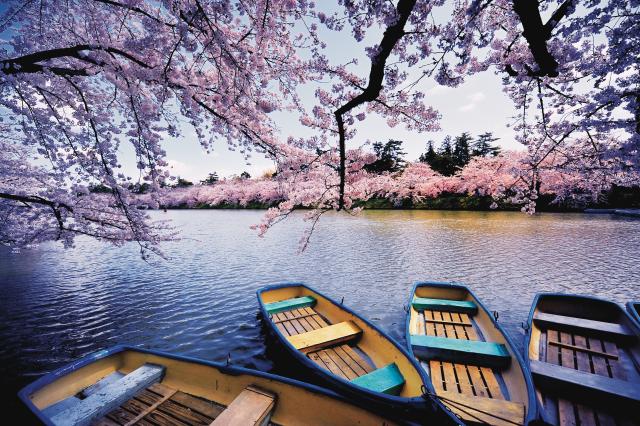
Japan in sakura (cherry blossom) season is legendary: think soft pink petals drifting over Kyoto’s temples, Tokyo’s riverside parks turned into one long picnic, and castle towns framed by clouds of blossom. Likewise, Japan’s autumn foliage, especially in Kyoto, the Japan Alps and around Hakone and Nikko, is fiery and dramatic.
The flip side of that fame is crowds. Classic spots in Tokyo and Kyoto can feel very busy in peak weeks, and popular viewpoints often need careful timing and advance planning.
With a tailored itinerary, we can still find quieter temples, small ryokans and lesser-known gardens that deliver that quintessential “Japan in bloom” feeling, but it does take thought and local know-how.
South Korea: Under the radar and wonderfully relaxed
South Korea has its own stunning cherry blossoms and autumn foliage, but far fewer international visitors. Cities such as Seoul and Busan are lined with blossom trees, and places like Gyeongju, Jeonju and Jirisan National Park glow with autumn colour.
If you like the idea of a similar seasonal experience to Japan but with more breathing space and fewer tour groups, Korea can be a superb alternative. You still get the blossom-lined streets, temple roofs peeking through red and gold leaves, and mountain trails edged with colour, yet you are much more likely to share them with locals than with crowds of tourists.
So, for cherry blossom and autumn foliage without the busiest crowds, South Korea has a distinct edge. For the “classic” images you have probably seen in magazines and films, Japan still leads.
Culture & Atmosphere: Timeless Japan vs Trendsetting Korea
Another key difference in the Japan versus South Korea decision is cultural atmosphere.
Japan: Ritual, refinement and deep tradition
Japan has an extraordinary sense of continuity and ritual. Many travellers describe it as stepping into another world:
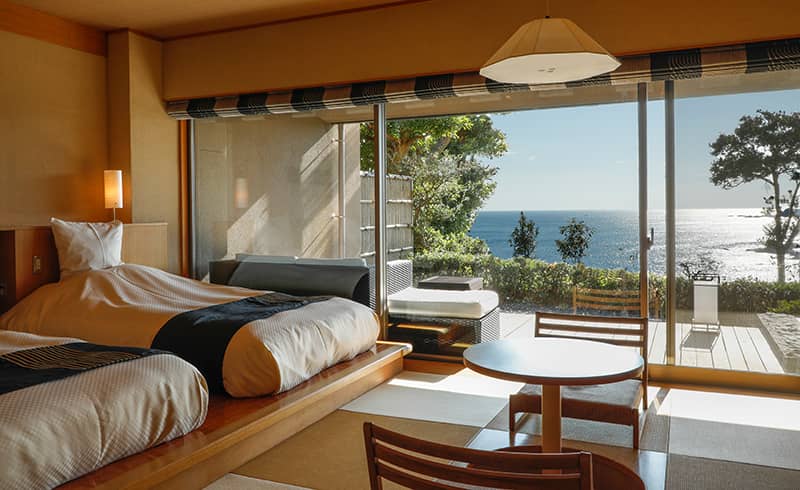
- Traditional stays: Sleep on tatami mats in a ryokan, soak in an onsen and enjoy an exquisite kaiseki dinner served course by course.
- Quiet spirituality: From Kyoto’s Zen gardens to Shinto shrines in the forests of Nikko and Ise, Japan often feels meditative and deeply respectful.
- Craft and detail: From ceramics and textiles to knife-making and tea ceremony, there is an obsession with craft, precision and aesthetics.
If you are drawn to ceremony, heritage and a sense of the timeless, Japan will speak to you on a very deep level.
South Korea: Dynamic, youthful and ahead of the curve
South Korea feels distinctly more modern and fast-paced. Seoul in particular is a city of glass towers, pop-up galleries, rooftop bars and cutting-edge design.
- Pop culture capital: K‑drama filming locations, night markets, neon-lit shopping streets, K‑pop entertainment districts, streetwear, beauty and tech trends start here and then go global.
- Café and bar culture: From sleek concept cafés to speakeasy-style cocktail bars, Korea’s food and drink scene feels current and creative with late-night dining common.
Traditional culture is absolutely there too, but you will feel the modern pulse more strongly than in Japan.
In short: if you imagine yourself in kimono in a hushed Kyoto alleyway, choose Japan. If you picture yourself in a chic Seoul rooftop bar after a day of art, design and shopping, South Korea could be perfect for you.
Food: Subtle Elegance or Bold Spice?
For many of my clients, cuisine is central to the decision between Japan and South Korea. Both are exceptional destinations, but the food experiences are quite different.
Eating in Japan
Japanese food is about purity of flavour, seasonality and presentation. You’ve got sushi and sashimi counters everywhere, but also regional specialities like Hiroshima okonomiyaki, Hokkaido seafood, Kansai-style tempura and Hakata ramen.
Japan suits travellers who enjoy precise, refined cooking and are happy to embrace local etiquette, quieter dining environments and the occasional language challenge.
Eating in South Korea
Korean food is convivial, bold and deeply satisfying:
- Table‑grilled Korean BBQ, with sizzling meats, banchan side dishes and plenty of soju.
- Comfort dishes like bibimbap, jjigae stews and crispy Korean fried chicken.
There’s also excellent vegan and vegetarian options in temple cuisine and in modern Seoul restaurants. Food experiences here are often louder, more interactive and more casual, perfect if you like to graze, share many dishes amongst the table and explore night markets.
If you savour subtlety and ceremony, Japan edges ahead. If you prefer spice, sociable meals and strong flavours, Korea is irresistible.
Everyday Practicalities: Getting Around & Travel Comfort
For well-travelled clients, both Japan and South Korea feel very manageable, safe and efficient. The differences are in nuance.
Ease of travel
- Japan: The rail network is superbly organised, with iconic Shinkansen bullet trains and punctual local lines. Signage is increasingly bilingual, but some rural areas still require a bit more patience and a good sense of direction.
- South Korea: Transport is modern and streamlined, especially in Seoul and Busan. The subway systems are easy to use, with good English signage and excellent app support.
Language & communication
In both countries, you will find English spoken in hotels and main tourist areas. South Korea can feel slightly more conversational in English among the younger generation, particularly in cafés, shops and bars. In Japan, where English is less widely spoken in day‑to‑day contexts, having reservations and logistics thoughtfully pre‑planned can make an enormous difference to how smooth and relaxing your trip feels. That doesn’t mean that the locals won’t try their best to help (because they certainly will!) but this is where using a trusted travel advisor truly comes into its own. I can help you choose neighbourhoods that suit your style, and create an itinerary that removes as much friction as possible, so you spend your time enjoying the experience instead of puzzling out the logistics.
Crowd Levels & “Feel”: How Intense Do You Want It To Be?
When considering which country to visit first, realistic expectations around crowds are important.
Japan
- The most iconic sights in Tokyo, Kyoto and Osaka are busy in peak seasons.
- Smaller towns, rural regions, onsen villages and lesser-known islands can be surprisingly tranquil and offer a more contemplative stay.
South Korea
- Popular Seoul districts are lively, but international visitor numbers remain lower than Japan’s so you’ll feel more ‘space’, particularly in cherry blossom season.
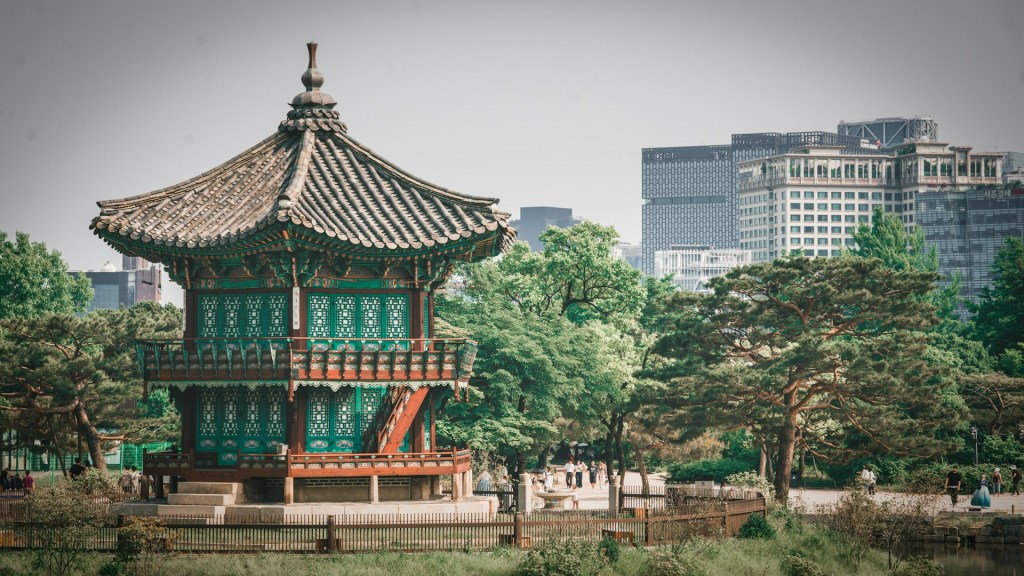
- Historic cities like Gyeongju, traditional hanok towns and national parks often feel more “local” than “touristy”.
If you want that classic, bucket-list East Asian experience and you do not mind sharing it with others, Japan is the natural choice. If you want a slightly more under‑the‑radar feel with fewer crowds but still stunning scenery and culture, South Korea is a wonderful option.
Which Country Is More Beautiful, Japan or Korea?
A question I hear often is: “Which country is more beautiful, Japan or Korea?” The honest answer is that beauty in both is extraordinary but different in character.
- Japan’s beauty often feels composed and curated: manicured gardens, exquisitely framed temple views, traditional streets that look like film sets, snow‑topped peaks, and the ethereal quality of misty mountains or a solitary shrine on a lake.
- Korea’s beauty can feel more rugged and spontaneous: dramatic coastline, forested national parks, mountain temples perched on cliffs, neon‑lit cities backed by rolling hills, and blossom and foliage that seem to spill naturally through everyday life.
Your personal definition of beauty will guide you. Some clients fall in love with the almost theatrical perfection of Japan. Others adore the mix of contemporary cityscapes and wild, accessible nature in Korea.
Who Should Choose Japan?
You might be better suited to Japan if you:
- Dream of staying in ryokans, wearing yukata and experiencing tea ceremony or onsen culture.
- Are fascinated by crafts, gardens, temples and living traditions.
- Do not mind a little extra structure and etiquette in return for immersive, almost otherworldly experiences.
- Want that classic “I have finally made it to Japan” feeling with iconic images and moments.
Japan is ideal for thoughtfully paced itineraries that balance cities like Tokyo and Kyoto with serene countryside and smaller cultural towns.
Who Should Choose South Korea?
South Korea may be the right match if you:
- Love vibrant, modern cities and contemporary culture, from K‑pop to fashion and design.
- Want cherry blossom or autumn leaves with fewer crowds and a more relaxed, local feel.
- Prefer bold flavours, street food, café culture and nightlife.
- Would like a destination that feels fresh and slightly less “done” than Japan among your peer group of well travelled friends.
Korea lends itself beautifully to itineraries that combine Seoul with a coastal city like Busan, time in a hanok village, and perhaps hiking or temple stays in the mountains.
Japan or South Korea: Do You Really Have to Choose?
If you have the time, it is perfectly possible to visit both in one longer trip, especially using regional flights or ferries between the two countries. However, each destination deserves space; I usually suggest focusing on one for your first visit, then returning to explore the other in depth.
The key in the Japan versus South Korea choice is to match the destination to your personal travel narrative:
- Do you want depth of tradition or depth of trend?
- Do you lean towards quiet refinement or lively energy?
- Would you prefer classical, iconic sites or a slightly more “insider” story you can share afterwards?
As a dedicated travel advisor, my role is to get under the skin of what you truly value in a journey: the pace, level of independence, style of accommodation, and balance of city, countryside and coast. From there, I can guide you clearly on whether Japan or South Korea is the more natural fit for you right now, and design a trip that feels seamless, personalised and full of moments you will remember long after you return home.
Ready To Decide: Japan or South Korea?
If you are still wondering “Should I visit Japan or South Korea first?” the best next step is a conversation. Share a little about how you like to travel, what you have loved elsewhere in Asia, and any must‑have experiences or dates, and I will do the rest: from shaping the ideal route to handpicking stays and experiences that reflect your travel style.
Contact me today to start planning your next journey to Japan, South Korea, or both, and let me design a trip that feels effortlessly tailored to you.
 Rebecca Mottram Travel Agent
Leave a comment