
Dreaming of the best safari in Kenya? You’re in for an unforgettable experience! But maybe you have quite a few questions that still need answering. To help you make the most of your trip, I’ve compiled expert tips and insights. I answer questions like what is the best time to visit and what to pack, to the amazing wildlife you can expect to see. Whether you’re dreaming of spotting the Big Five, exploring diverse landscapes, or unwinding on Kenya’s stunning coastline, this guide has everything you need to go on the safari of a lifetime.
Why choose Kenya as a safari holiday destination?
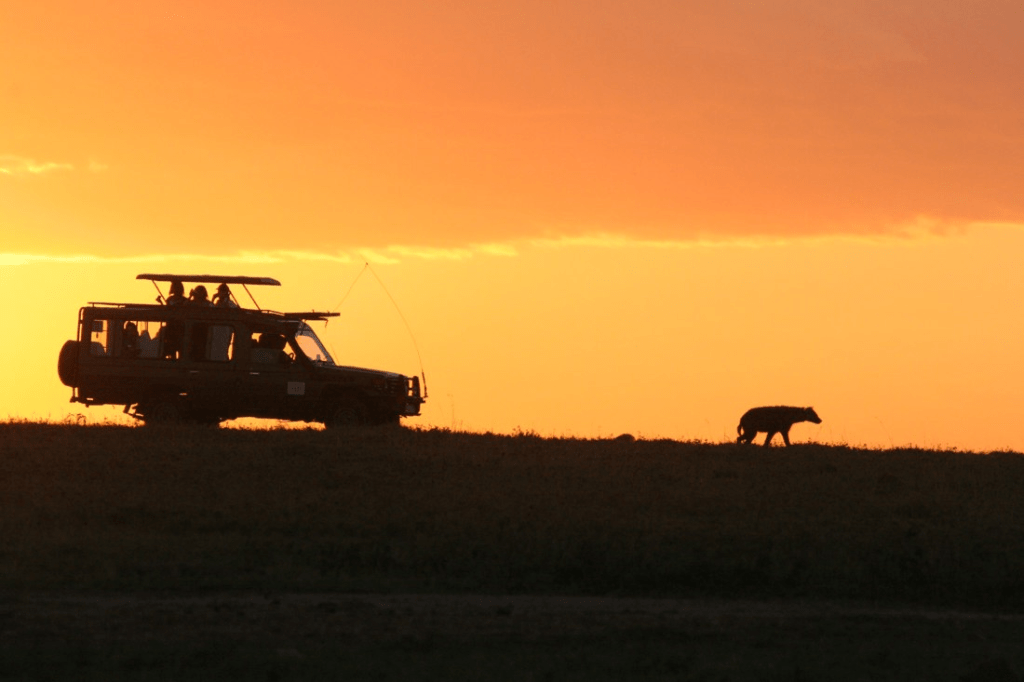
Kenya’s allure as a safari destination lies in its incredible diversity, offering a variety of landscapes, activities, and wildlife across its many parks and conservancies. Each region has its own unique charm – parks south of the equator often showcase different wildlife compared to those in the north. Getting around is seamless, thanks to short hopper flights between parks and conservancies, allowing you to explore multiple areas in one trip. And the adventure doesn’t stop there. Kenya’s stunning coastline means you can easily add a relaxing beach escape to your safari. Popular spots like Diani and Lamu provide the perfect post-safari retreat.

What animals can I expect to see in Kenya?
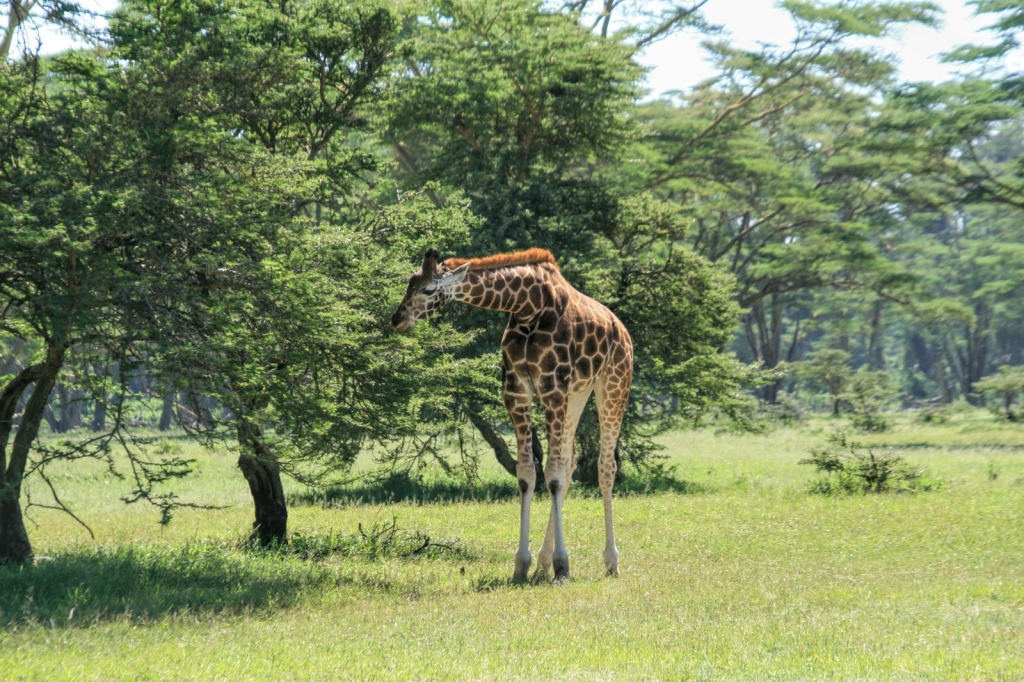
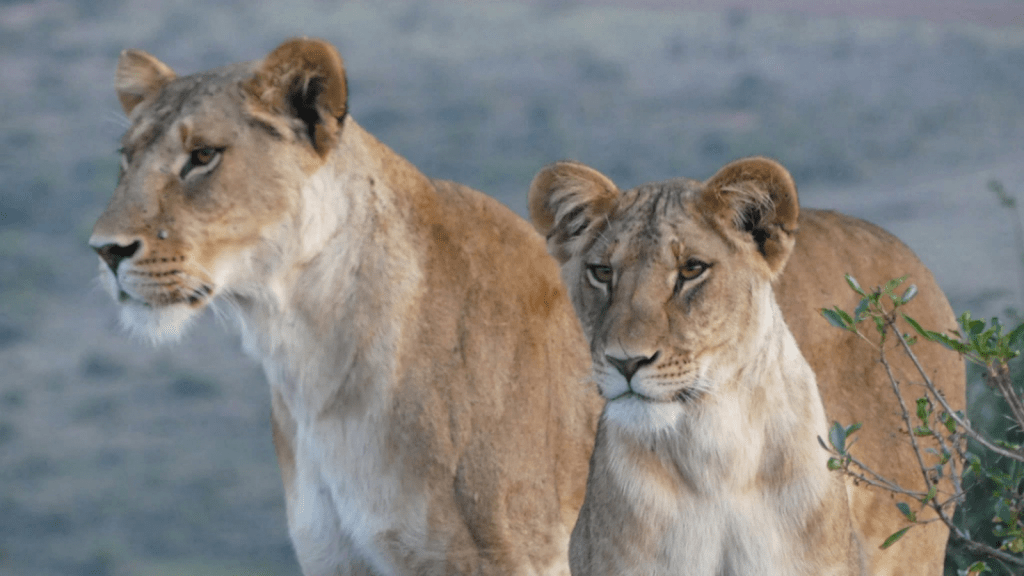
While Mother Nature offers no guarantees, Kenya delivers an extraordinary range of wildlife. You’ll have excellent chances of spotting the Big Five, particularly in the Maasai Mara, Amboseli, and Tsavo. Beyond that, you can expect to see classic safari animals like giraffes, zebras, cheetahs, hippos, warthogs, vervet monkeys, hyenas, and jackals across most parks. Some regions are home to unique species, such as the gerenuk and reticulated giraffe found in Northern Kenya.
When is the best time of year for a Kenyan safari?
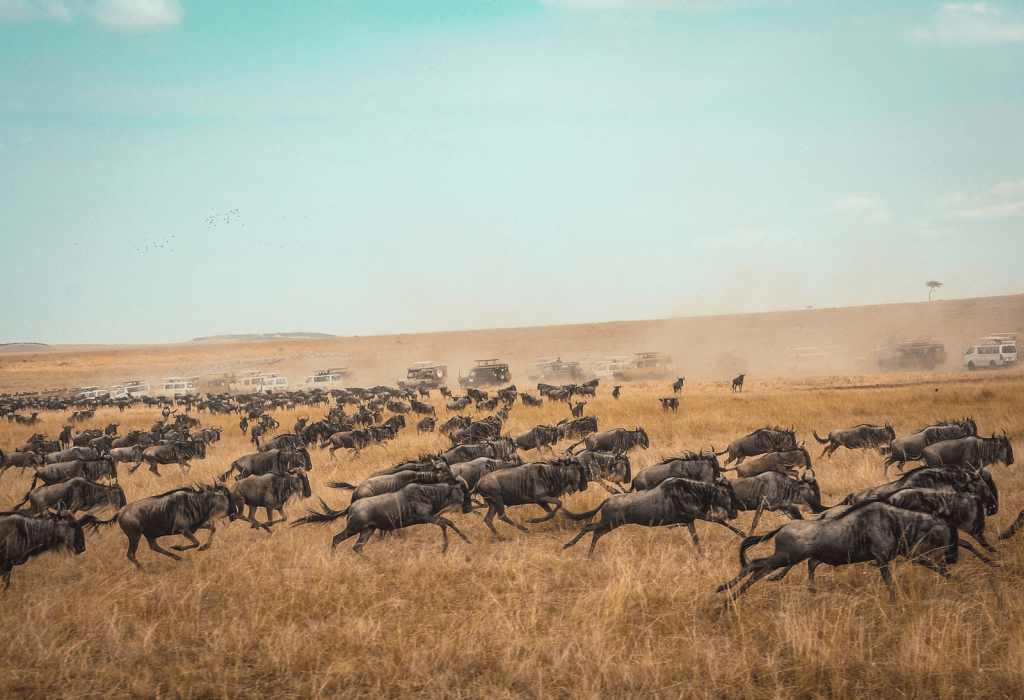
The dry season, from June to October, is typically the best time to visit Kenya. Wildlife viewing is at its peak during this period, as animals gather around water sources and the grass is lower, making them easier to spot. This is also when the Great Migration takes place in the Maasai Mara, a truly unforgettable spectacle. That said, Kenya is a fantastic year-round destination due to its equatorial location, offering pleasant weather throughout the year.
What should I wear for a Kenyan Safari?
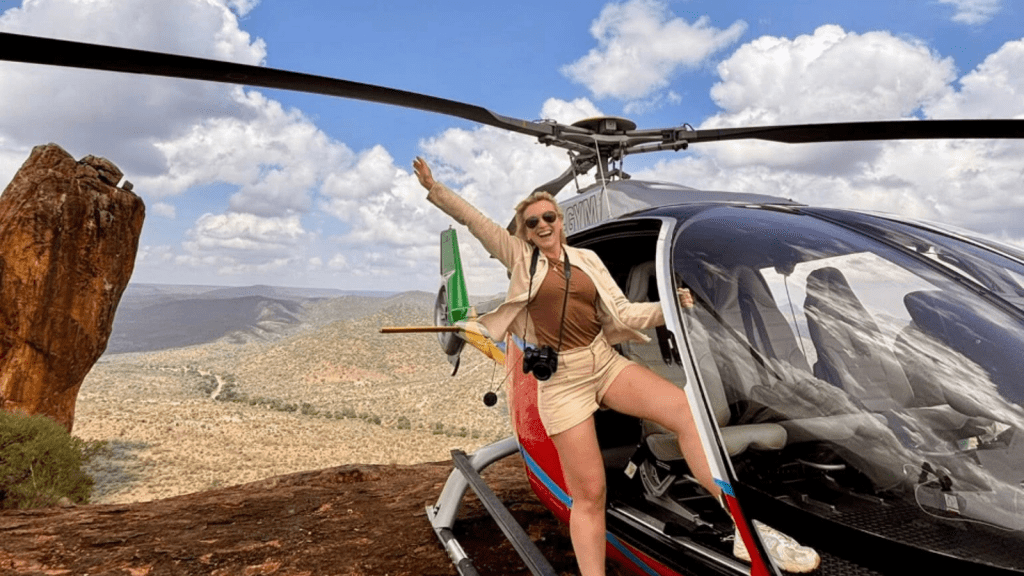
When it comes to packing and choosing what to wear, stick to neutral tones like khaki, beige, and brown, and avoid bright colours or camouflage patterns.
Layers are essential – it’s warm during the day but can get chilly in the mornings and evenings, so pack jackets and fleeces for game drives. Comfortable, closed-toe shoes are a must, especially if you plan to enjoy activities like bush walks or e-biking.
Keep in mind that many internal flights have a 15kg luggage limit and require soft-sided bags, so pack light. Don’t worry – most lodges offer laundry services!
What are conservancy and park fees?
Park and conservancy fees in Kenya go far beyond just ‘entry fees.’ These funds play a vital role in supporting conservation efforts, community initiatives, and the maintenance of infrastructure and visitor services. They help protect endangered species, promote sustainable land use, and ensure that the incredible wildlife you see on safari will be preserved for future generations.
What is included in my accommodation?
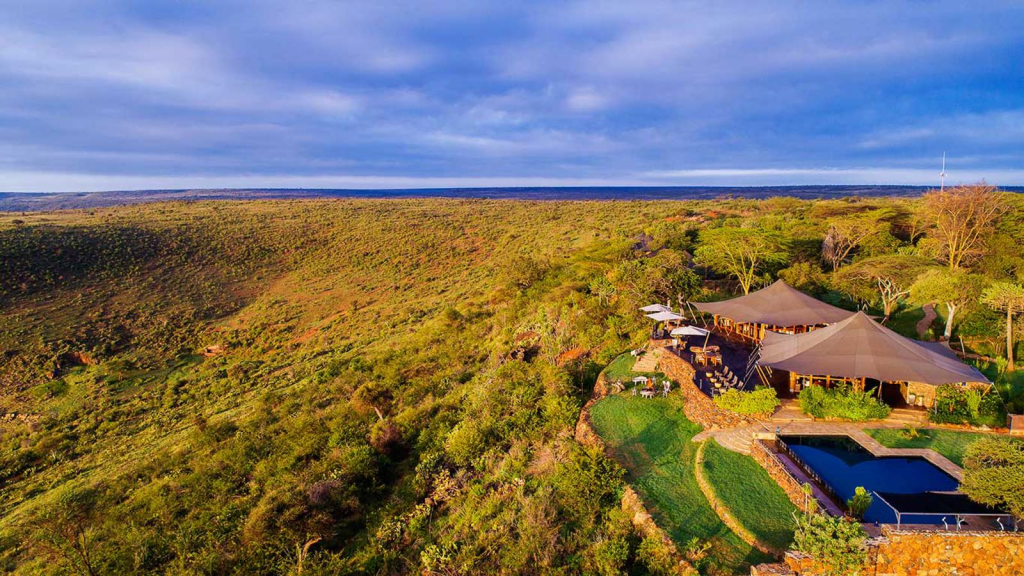
Most lodges and camps in Kenya operate on a ‘Game Package’ basis. This typically includes all meals, soft drinks, house alcoholic beverages, and morning and afternoon game drives in 4×4 vehicles led by professional, licensed safari guides. If you’re unsure about what’s included, just ask me and I’ll be happy to assist.
To book your dream safari experience, get in touch with me today.
 Rebecca Mottram Travel Agent
Leave a comment